Built by people who've watched robots fail.
Mobvynt started in Austin in 2021 when the founding team was deploying AMRs at a fulfillment center and kept running into the same stall. The facility changed daily. The maps didn't.
They spent 18 months writing a better perception layer before they had a product name. What became Mobvynt started as a script they ran on top of an existing Nav2 stack to handle the obstacle cases Nav2 kept missing. The script grew into a system. The system became a product.
We want every autonomous robot in every warehouse to navigate the real world — not the map someone made six months ago. We're not building general robot intelligence. We're solving one thing: accurate, fast obstacle detection and path planning for logistics AMRs. We think doing one thing well is the point.
The people behind it
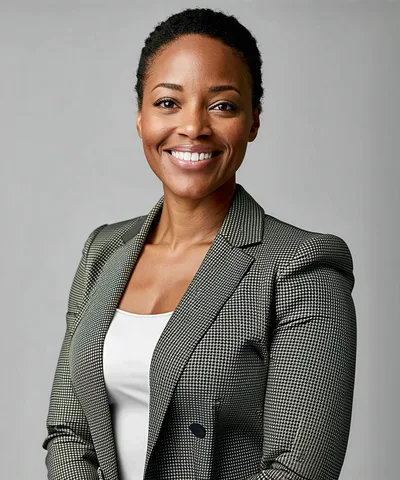
Robotics systems background. Eight years deploying AMRs in logistics operations before founding Mobvynt — she's seen every variety of stall. Runs product strategy and customer relationships. Based in Austin.
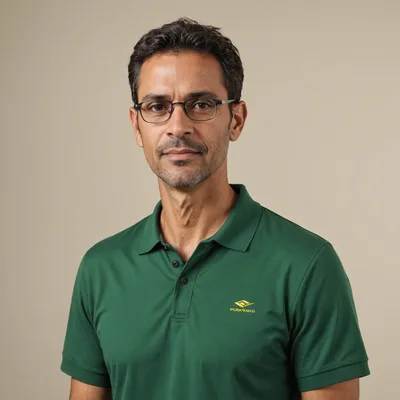
Computer vision and ROS 2 systems. Previously robotics software at a mid-size logistics automation company where he maintained the same costmap stack Mobvynt replaces. Runs engineering. Based in Austin.
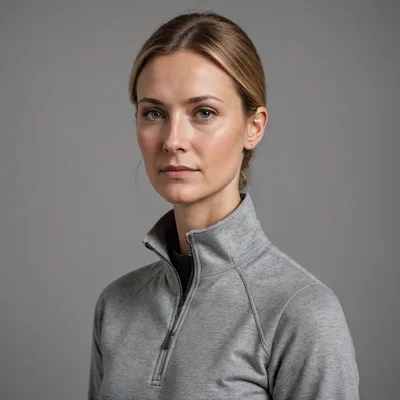
LiDAR processing and SLAM specialist. Wrote the cold-storage calibration profiles and the PPE person-model variant. Nadia owns MV Perceive end to end. Based in Austin.
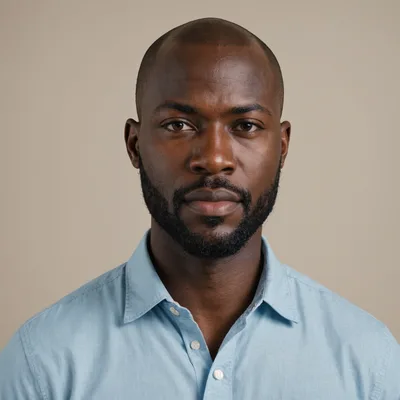
Fleet systems APIs and WMS connectors. Built the MV Bridge REST and MQTT adapters for most of the fleet systems on the integrations page. Remote-friendly; primarily Austin-based.
Three things we actually believe
We don't roadmap "general warehouse AI." We roadmap the next specific obstacle class our perception model gets wrong. Our backlog is a list of failure modes, not a list of features. Every item on the roadmap traces to a real deployment case where the robot didn't do the right thing.
Before we write code, we spend time on a warehouse floor watching where robots fail. The perception model exists because someone stood at the end of an aisle at 2am and watched a robot stall on a pallet that wasn't there six hours ago. The spec comes from observation, not abstraction.
Our docs say what Mobvynt doesn't do. We think that's how you build trust with engineers. If a robot needs localization SLAM, Mobvynt doesn't replace that — it adds a layer on top. If a sensor configuration has known limitations in cold environments, we document them. No one benefits from a product that overpromises and underperforms on a live warehouse floor.
Find us
Austin, TX 78701
+1 (512) 309-4683